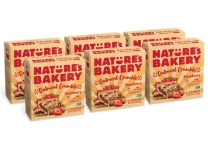
Nutrition Bars for Everyday Snacking
Nutrition bars offer a portable way to enjoy a compact snack between meals, during a busy day, or while travelling. The category includes granola bars, protein bars, energy bars, meal-replacement bars, and fruit-and-nut bars, each made for different preferences and routines. Some have a chewy texture with oats or dried fruit, while others are crisp, coated, or made with layered ingredients. A bar's name alone does not determine its nutritional profile, so compare the nutrition facts and ingredient list to see how it fits your needs. Consider serving size, calories, protein, fibre, sugars, and fats together rather than relying on a single claim on the package. Individual wrappers make it easy to carry bars in a work bag, backpack, or gym kit.
- Portable formats for snacks on the go
- Options include granola, protein, and fruit bars
- Compare nutrition facts as well as package claims
Ingredients, Nutrition, and Texture
Ingredients shape a nutrition bar's taste, texture, and suitability for different preferences. Oats, nuts, seeds, rice crisps, and dried fruit are common bases, while protein varieties may use whey, milk, soy, pea, or other protein sources. Sweeteners can include sugar, syrups, dates, or sugar alcohols, and coatings may add chocolate or other flavours. Check the ingredient list for allergens such as peanuts, tree nuts, milk, soy, or wheat, and review any advisory statements if cross-contact is a concern. Nutrition panels help compare protein, fibre, added sugars, sodium, and saturated fat per serving. Texture matters, too: chewy bars may suit those who prefer soft bites, whereas crunchy or layered varieties offer a different eating experience. Choose based on taste and label details.
- Check protein, fibre, sugars, and serving size
- Review allergens and ingredient statements
- Choose chewy, crunchy, or coated textures
Protein, Energy, and Dietary Preferences
Different nutrition bars serve different purposes, so match the product type to how you plan to use it. Protein bars are often selected as a convenient snack after exercise or between meals, while cereal and granola bars can provide a familiar, oat-based option. Energy bars may emphasize carbohydrates for active routines, and meal-replacement products may be formulated with a broader mix of nutrients; neither category should be assumed to replace a balanced meal without checking its label and intended use. Shoppers avoiding particular ingredients can look for clearly stated vegan, gluten-free, dairy-free, or nut-free attributes, then verify the full ingredient and allergen information. These labels describe product characteristics, not a guarantee of suitability for every individual. Compare bar size and nutrition information with your routine, appetite, and dietary preferences.
- Match bar type to your intended use
- Check dietary claims against the ingredient list
- Compare serving size and nutrition information
Flavours, Brands, and Product Formats
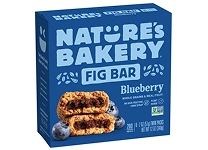
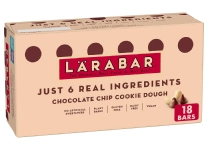
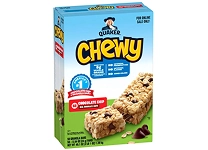
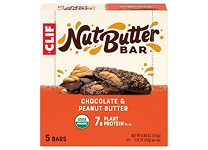
Nutrition bars are available in flavours such as chocolate, peanut butter, berry, coconut, and mixed fruit, with recipes that range from simple ingredient combinations to dessert-inspired varieties. You may find single bars, multipacks, assorted flavour boxes, and bars with layers, fillings, or coatings. Recognized brands in this category include KIND, Clif, Quest, RXBAR, and Nature Valley; their product ranges and recipes vary, so compare individual labels rather than assuming every bar from a brand is alike. When browsing, note whether a pack contains one flavour or a selection, and check the number and size of bars to understand what is included. Ubuy can help shoppers discover nutrition bars and international product selections in one place, making it easier to explore different formats and compare product details before choosing.
- Explore flavours, textures, and pack sizes
- Compare specific products, not brand names alone
- Browse international selections on Ubuy
Choosing Bars for Your Routine
A useful comparison starts with the occasion: a desk snack, a hike, a workout, or a lunchbox may call for different bar sizes, ingredients, and textures. Look at the nutrition facts per bar, especially when a package lists values for a serving smaller than the full product. If you track protein, fibre, carbohydrates, or added sugars, compare those values across products and consider how the bar fits with the rest of your food choices. For repeated purchases, review the quantity in each pack and the variety of flavours included. Ubuy provides a way to explore nutrition bars from different product ranges, while each listing's product information can help narrow options by flavour, format, and stated dietary attributes. Read labels carefully and select products that align with your own preferences and requirements.
- Compare full-bar servings and pack quantities
- Consider the occasion and preferred nutrients
- Use product details to narrow your options
Select the Right nutrition bars
Before buying, shortlist bars that suit your taste, dietary preferences, and intended use, then compare their ingredient lists and nutrition panels side by side. Confirm the bar's size, quantity per pack, flavour, and any coating or filling that could affect your preference. Check for ingredients you avoid and review allergen statements rather than relying on front-of-pack wording alone. If you are selecting bars for a shared household, consider assorted packs or a range of flavours, while remembering that individual preferences can differ. Store products according to the package directions and check the best-before information when organizing a pantry or travel supply. With these details in mind, you can compare granola, protein, energy, and other nutrition bars more confidently and choose a product that fits your routine without overlooking important label information.
- Verify ingredients, allergens, and package details
- Check storage directions and best-before information
- Choose a bar that fits your routine and taste